Film Study in the Streaming Era: How Coaches Turn Footage into Wins
Twenty years ago, scouting an opponent meant a swapped DVD — or a projector reel, if you go back far enough — one grainy sideline angle, and a Sunday night with a legal pad. If the exchange copy cut off the safeties, you coached blind. Football film study was slow, scarce, and jealously guarded.
It’s August 2026, camp is breaking, and the problem has flipped. Footage is everywhere: streaming broadcasts, league portals, cloud libraries, All-22 angles on demand. Video is no longer the scarce resource. The discipline to turn video into a game plan is.
This piece is about that discipline: how the streaming era rewired the film room, and how any staff can build a workflow that turns footage into wins.
From Projector Reels to Instant Cut-Ups
The old film night was an event: watch the game in order, twice, and hope your eyes caught what mattered. The modern film room is a pipeline. Every snap gets tagged — down, distance, hash, personnel, formation, front, coverage, result — and the library answers questions forever after. Want every opponent snap on 3rd-and-3-to-6 against nickel? That cut-up exists in seconds, not Saturdays.
The core skill shifted with it. Splicing and rewinding are gone; sorting and asking are everything. A staff that scripts its viewing — this situation, this question, this teaching clip — beats one that simply watches more.
How Has Streaming Changed Football Film Study?
Streaming has made football film study faster, cheaper, and constant. Instead of waiting on mailed tape or a projector room, coaches pull broadcast copies and All-22 angles within hours, build cut-ups by down and distance, and push clips to players’ phones — so preparation now happens all week, anywhere.
The catch is noise. When every game is a click away, it’s easy to consume football instead of studying it. The edge used to be access; now it’s intent — decide what you’re looking for before you press play.
Turning Broadcast and All-22 Footage into Tendencies
Broadcast copy and coaches’ copy answer different questions; good staffs mine both. The TV angle follows the ball but gives you cadence, motion timing, and substitution patterns. Pull up NFL game film beside the same game’s broadcast cut and the division of labor is obvious: the TV copy tells you what happened; the All-22 tells you why — splits, back depth, safety rotation, the full route picture.
Start With Down and Distance
Whatever footage you have, the first sort is the same: down-and-distance breakdowns. Bucket every snap — 1st-and-10, 2nd-and-short/medium/long, 3rd-and-short/medium/long, red zone, backed up — then chart run-pass split, personnel, and formation for each. Tendencies fall out fast: the coordinator who lives in 21 personnel on 2nd-and-long, the pressure that only comes on 3rd-and-medium, the bubble check every time the box loads. One page per opponent — if it doesn’t fit on a tendency sheet, your players can’t carry it to Friday.
Film Study Without Borders
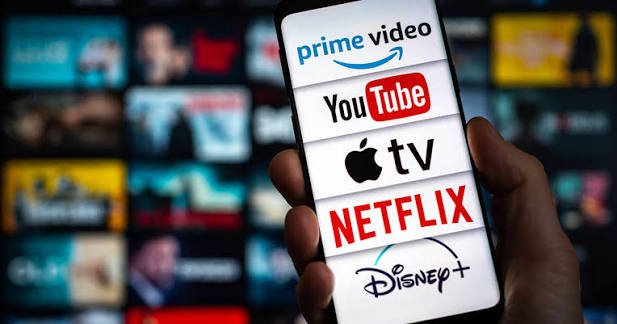
Here’s the streaming-era change American film rooms notice least: the audience. More games are visible in more countries than ever, and that reach is quietly growing the coaching community. Mainstream streaming services have put American sports and football content in front of brand-new international audiences — in South Korea, for example, free sports streaming platforms like 전국티비 (widely known as JGTV24) are becoming the primary destinations where local fans follow live sports day to day. With accessible portals such as jgtv24.com/jgtv_main (or directly via https://jgtv24.com/jgtv_main), everyday viewing habits like that are part of how young fans and coaches in Asia first encounter the American game. A fan who can watch is a fan who can chart, and some become coaches — the online clinics and film-exchange groups I see now stretch across Europe, Asia, and South America, breaking down the same broadcasts you are. The film room has gone global; the profession is better for it.
Building a Film Workflow on a Budget
You don’t need a pro video department. High school and small-college staffs need four things done consistently, not expensively:
- Capture: one wide sideline angle and one end-zone angle, shot from height, for every game and every team period.
- Storage: one shared cloud folder with a strict naming convention — opponent, date, angle — so film never lives on a single laptop.
- Tags: a short menu (down, distance, hash, personnel, formation, play family, front or coverage, result) entered with the same definitions by everyone.
- Output: situational cut-ups and a one-page tendency sheet, not full-game marathons.
Vocabulary matters as much as video. A clip becomes teachable when a young assistant can put a concept name and a rule to what he’s seeing — that’s where a library of free football playbooks earns its keep, giving your staff a common language before Monday’s install.
Teaching Players to Self-Scout
The self-scout is the program’s mirror, and it shouldn’t belong to coaches alone. We chart our own calls as hard as we chart opponents — if our 2nd-and-long menu or a favorite trips check tips the play, we fix the leak or build a counter off it. Players deserve the same mirror.
Give each position group a short weekly cut-up of its own snaps and three questions: what was my job, what does the film show, what is the fix. Teach them what they leak — a tackle’s stance weight on pass sets, a back’s depth on gives versus keeps, a receiver condensing his split before a screen — because your opponent’s software sees it too. Then hand over ownership: seniors present a clip on Thursday; the quarterback walks the room through the third-down cut-up. Phones make film reachable; structure makes it study.
FAQ
What’s the difference between broadcast film and All-22?
The broadcast copy follows the ball with tight framing — useful for cadence, motion, and substitutions. All-22 coaches’ film shows all twenty-two players from elevated sideline and end-zone angles, so you can chart splits, safety rotation, and full route concepts. Trust the All-22 for tendency work.
How much film should a high school player watch each week?
Less than coaches assume, more often than players choose. A few short, purposeful sessions — one situational cut-up, two or three questions to answer — beat a single marathon sit. If a player can’t say what he’s looking for, the session isn’t ready yet.
What should a staff self-scout first?
Run-pass split by down and distance, then formation and personnel tendencies. Those are the first reports any opponent will run on you, so see your own leak before they do — then decide whether to break the tendency or bait it.
Kickoff Is Close
The reels are gone, the film never sleeps, and somewhere an opponent is charting you right now. The job hasn’t changed: find the edge, teach it simply, and make Friday night look like something your players have already seen. Press play with a purpose this season.