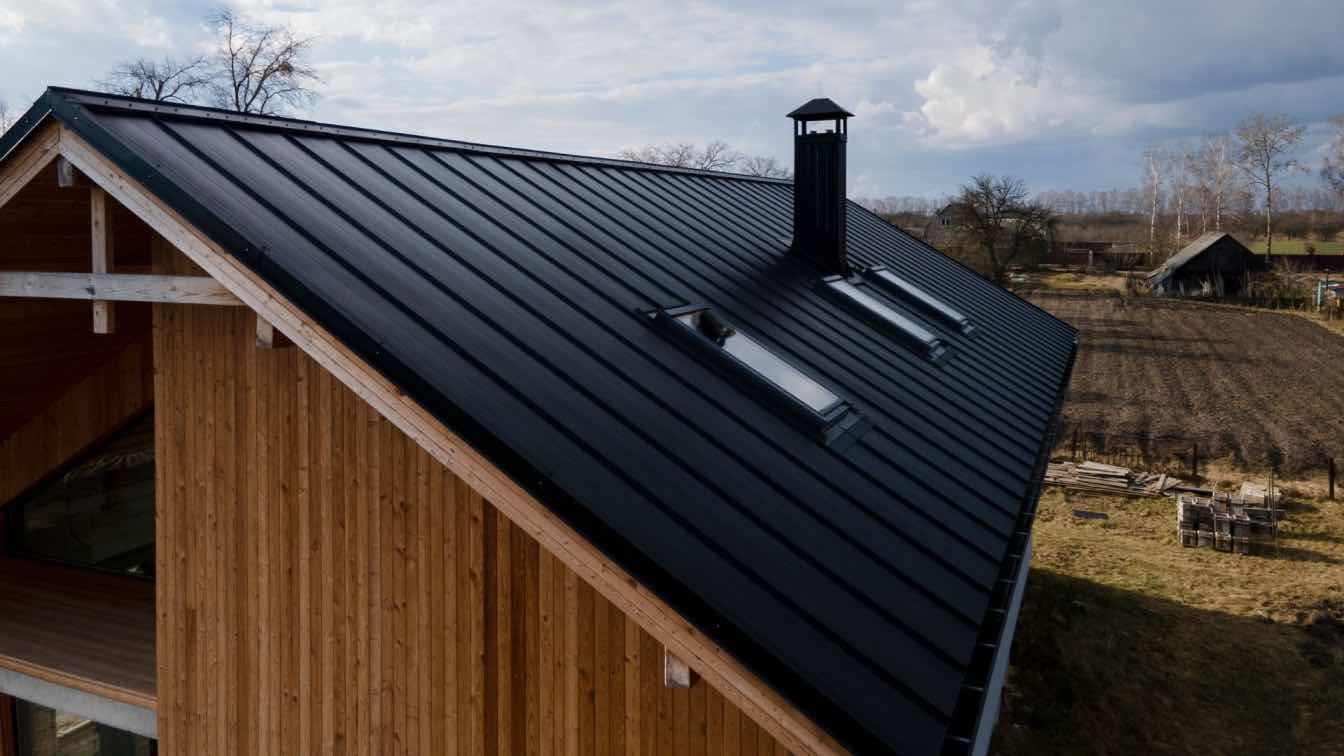
How Your Roof and Siding Work Together to Protect Your Home
A homeowner in Varsity learned something frustrating about exterior renovations the hard way. She’d replaced her roof two years earlier with a reputable company. Beautiful work, solid warranty, no complaints. Then she hired a different contractor to replace the aging siding on her two-storey home.
Six months after the siding went up, water started appearing in her attic. Not from the roof itself, which remained perfectly intact. The water was entering where the new siding met the existing roofline. The siding crew had disturbed flashing that the roofing crew had installed, and nobody caught the problem until moisture damage had already begun spreading through the soffit area.
Her roof and siding were both fine individually. But the connection between them had failed because nobody treated them as parts of the same protective system.
The Building Envelope Concept
Builders and building scientists talk about something called the building envelope. It’s the continuous barrier separating conditioned interior space from the outside environment. Your roof, walls, windows, and foundation all form parts of this envelope. When it works properly, weather stays outside and comfort stays inside.
The critical word is continuous. A roof that’s watertight does nothing if water can enter where the roof meets the walls. Perfect siding means nothing if moisture bypasses it at the roofline. The envelope only works when every component connects properly to adjacent components with no gaps in protection.
This is why treating roof and siding as separate systems leads to problems. They’re not separate. They’re different sections of the same protective shell, and the places where they meet are often the most vulnerable points in the entire assembly.
Where Roof Meets Wall
The intersection of roof and wall systems happens in several places on a typical Calgary home. Each intersection presents unique challenges and requires specific detailing to remain weathertight.
The eaves are the most obvious meeting point. Roof sheathing extends to the fascia board, which is technically part of the wall system. Soffit panels close the gap between fascia and house wall. Water running off the roof edge, ice forming at the eaves, and wind-driven rain all test this transition constantly.
Rake edges along gable ends present similar challenges oriented vertically rather than horizontally. Roof edge meets wall surface with fascia and trim making the connection. Water running down the roof slope hits this edge and needs somewhere to go that isn’t inside the wall assembly.
Sidewall conditions occur where roof surfaces meet vertical walls mid-roof. Think of a split-level home where the lower roof terminates against the upper storey wall. Or a dormer where the dormer roof meets the main wall surface. These intersections require step flashing integrated with both roofing and wall weather barriers.
Headwalls exist where sloped roofs terminate at vertical walls above them. The bottom edge of upper-storey siding meets the top of a lower roof surface. Without proper kickout flashing and integration, water running down the wall dumps directly into the roof-wall intersection.
Flashing: The Critical Connection
Flashing makes the connections work. These metal or membrane components bridge the gap between roof and wall systems, directing water away from vulnerable intersections. When flashing is done right, water has no opportunity to enter the building envelope. When it’s done wrong or disturbed later, problems are inevitable.
Step flashing along sidewalls integrates shingle courses with wall surfaces. Each piece of step flashing tucks under a shingle and extends up behind the wall cladding. The overlapping arrangement creates a path that always directs water outward, even if some water gets behind the siding surface.
Kickout flashing at the bottom of sidewall runs prevents water from dumping into the wall cavity. This critical piece diverts water that has run down the step flashing out into the gutter system rather than behind the siding. Missing or improperly installed kickout flashing is one of the most common causes of wall moisture damage in Calgary homes.
Drip edge along eaves and rakes keeps water from wicking back under roofing materials and into fascia boards. It seems like a simple component, but it’s essential for protecting the wood trim that connects roof and wall systems. Properly installed drip edge coordinates with gutter position and siding termination to manage water through the entire transition. The roofing professionals at Superior Roofing pay close attention to these details because they know how much trouble improper flashing causes down the road.
Ventilation Depends on Both Systems
Attic ventilation requires coordination between roof and wall components that many homeowners don’t realize. The ventilation system doesn’t just involve roof vents. It starts at the soffits, which are part of the wall system.
Soffit vents provide intake air that flows up through the attic and exits through ridge or roof vents. Block the soffit vents and the entire ventilation system fails, regardless of how many roof vents exist. Soffit installation during siding work directly affects roof performance.
Siding replacement often involves soffit replacement or repair. If the new soffits don’t provide adequate venting, or if insulation gets pushed into the soffit area during other work, attic ventilation suffers. The result can be ice dams in winter, excessive heat in summer, and moisture problems year-round.
Fascia condition affects both systems too. Rotted fascia from gutter overflow or ice dam damage compromises both the roof edge and the siding termination point. Replacing fascia properly requires understanding how it relates to roof, soffit, gutter, and siding systems simultaneously.
Calgary Weather Tests Every Connection
The intersections between roof and siding face particularly intense stress in Calgary’s climate. Understanding these stresses explains why proper integration matters so much here.
Wind-driven rain attacks horizontally, not vertically. A roof that sheds rain perfectly in calm conditions may allow water entry where it meets walls when wind pushes rain sideways. Flashing and weather barrier laps must account for horizontal water movement, not just gravity drainage.
Chinook temperature swings create dramatic expansion and contraction cycles. Metal flashing expands and contracts. Siding moves. Roofing materials shift. These movements stress sealants and can open gaps at connections that were tight when installed. Materials and installation methods need to accommodate this movement rather than fighting it.
Ice dam conditions test roof-wall connections severely. Water backing up behind ice dams doesn’t just threaten the roof surface. It also threatens sidewall intersections and can enter wall cavities through improperly detailed step flashing. Homes with chronic ice dam issues often show wall damage where roofs meet walls, not just ceiling damage from direct roof leaks.
Timing Exterior Projects Together
When both roof and siding need attention within a few years of each other, doing them together often makes more sense than handling them separately.
Cost efficiency improves when the work is coordinated. Scaffolding or lift equipment serves both projects. Crews don’t have to work around recently completed components. Flashing can be installed once and done right rather than installed, disturbed, and reinstalled.
Quality improves because connection details get proper attention. A single contractor handling both systems owns responsibility for the intersections. There’s no finger-pointing about who disturbed whose work or who should have done what differently.
Warranty coverage becomes cleaner when one contractor handles the complete building envelope. Questions about whether a problem originated in roofing or siding work disappear when the same company did both. For homeowners considering exterior updates, consulting with a full-service exterior contractor about coordinating projects can reveal savings and quality benefits that aren’t obvious when getting separate quotes for separate projects.
When Separate Timing Is Necessary
Budget realities don’t always allow doing everything at once. When roof and siding projects must happen at different times, extra attention to connection details becomes critical.
If roofing happens first, installers should anticipate future siding work. Step flashing should extend high enough behind existing siding to remain protected when new siding is installed. Kickout flashings should be installed even if the existing siding doesn’t terminate properly against them. Doing this work right the first time saves having to disturb the roofing system later.
If siding happens first, the crew needs to understand how their work will interact with future roofing. Weather barriers should extend properly at roof intersections. Starter strips and j-channels should position correctly for flashing integration. Most importantly, existing roof flashing shouldn’t be disturbed without proper reinstallation.
Communication between sequential contractors helps enormously. When the siding contractor knows what the roofing contractor did two years ago, they can avoid undoing it. When the roofing contractor knows siding is planned for next year, they can prepare for it. Homeowners can facilitate this communication by keeping documentation and sharing it with subsequent contractors. Reach out to discuss your project timeline and get advice on sequencing work for the best long-term results.
Signs of Integration Problems
Homeowners can watch for indicators that roof-wall connections aren’t performing properly. Catching problems early prevents the kind of hidden damage that becomes expensive to repair.
Staining on siding below roof terminations suggests water isn’t being properly managed at the intersection. This is particularly common below kickout flashing locations and at headwall conditions. The staining itself is cosmetic, but it indicates water is going somewhere it shouldn’t.
Peeling paint on fascia or soffit areas points to moisture problems at the roof edge. Paint fails when the wood substrate gets repeatedly wet. If fascia paint is failing, water is getting to places it shouldn’t reach.
Soft or spongy spots in soffit material indicate moisture damage to these connection components. Soffits should remain firm and solid. Softness suggests water infiltration that’s been ongoing long enough to cause deterioration.
Interior wall damage adjacent to roof intersections often traces back to failed connections rather than roof or wall failures themselves. Water staining in corners where exterior walls meet ceilings, or near dormers and other roof-wall transitions, suggests investigation of the exterior connection is warranted.
One System, Not Two
That Varsity homeowner eventually got her roof-wall intersection properly repaired. It required removing some of the new siding, reinstalling the disturbed flashing correctly, replacing moisture-damaged materials, and reinstalling siding to integrate properly with the existing roof. Total cost ended up exceeding what the siding project itself had cost.
The lesson isn’t complicated. Roof and siding form one continuous protective system, not two independent ones. The places where they connect are just as important as the surfaces themselves. Homeowners who understand this and plan their exterior projects accordingly avoid the problems that come from treating these systems as if they have nothing to do with each other.
Whether tackled together or separately, the connections deserve as much attention as the surfaces. Get those details right and the building envelope does what it’s supposed to do: keep weather outside where it belongs.